How to choose the right first car
Published on 4 February, 2026
Our top tips to help you ensure you end up with the right choice for your first set of wheels.
Overview
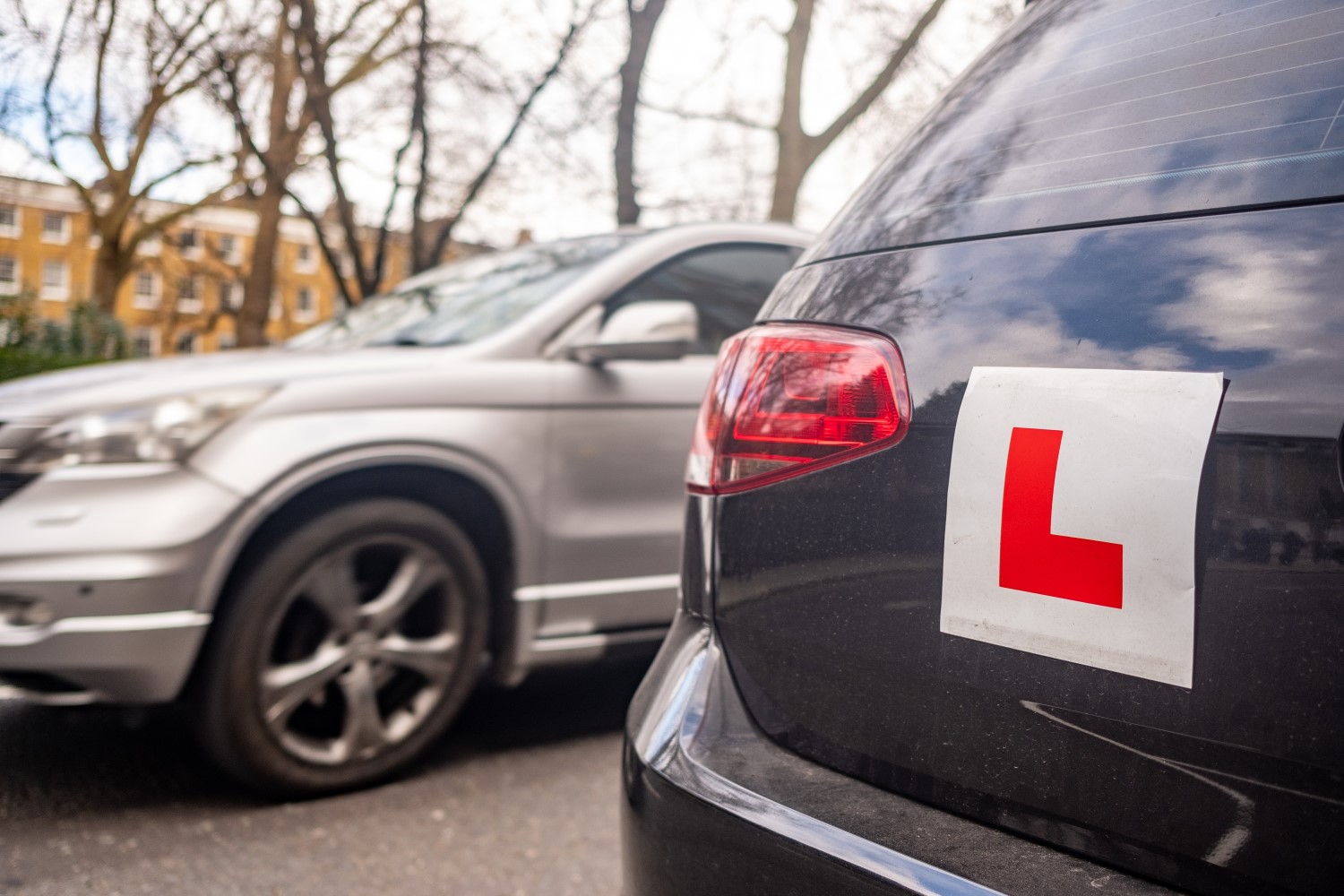 Getting your first car is a hugely symbolic moment in anyone’s life – it represents freedom, independence and a sense of adventure, as suddenly the world opens up to your new-found ability to transport yourself large distances in one hit.
But buying a car, joyous an experience though it should be, can be fraught with perils. There’s the whole financial aspect, for starters, such as what budget you have – both for buying the vehicle in the first place, and then the ongoing costs of fuelling it, insuring it, maintaining it and taxing it. Then there’s the considerations over what type of car to get, and whether it’s going to be reliable, and what will happen if it isn’t – there’s certainly lots to consider.
Here, then, are our top tips to help you through the process of buying your first car, which will hopefully take some of the stress out of the situation for you.
Think small
Much as it pains us to say it and puncture your dream bubble, your first car is not going to be something massive and powerful – because you simply won’t be able to insure it, unless you’re incredibly rich, and more to the point, as an inexperienced driver you probably won’t be able to control it either. The reality is that the vast majority of us start our motoring careers at the wheel of something small, frugal, cheap to repair and easy to insure. This usually means a city car, such as a Toyota Aygo, Hyundai i10, Kia Picanto or similar, or a supermini hatchback – think Ford Fiesta, Peugeot 208, Renault Clio, Toyota Yaris, Hyundai i20 and more. These cars are plentiful on the used market, which means their second-hand values are lower, and they are much cheaper to fuel, tax, insure and repair than bigger, grander cars. So start small and build your way up from there as you become more experienced.
Pick a good vintage
Choosing the right year for a used car is difficult, although largely predetermined by your buying-power budget. The thing is, newer vehicles will cost you more in the first place, and while older cars are cheaper, they may be less reliable and harder to insure in the long run. You need to balance those two things and, within reason considering how much money you have to pay for the car, buy the newest, best-maintained car you can find. Also watch out for our historic motor tax laws – until 2008, cars were taxed on the basis of their engine size, whereas after that point it switched to a CO2-based system. This means you might think you’re saving money in the long run by picking a pre-2008 car, but if it has a big engine then it could well be a false economy.
Pre-loved is best
For the most peace of mind when buying a car, you buy (or finance) brand new – that way, you get a car that should be at the peak of its dependability, and should anything go wrong then there’s a manufacturer warranty in place to back you up. However, the reality is that new cars are phenomenally expensive, so you need to go into the used-vehicle domain. The good news here is that, of course, second-hand cars are considerably cheaper but bear in mind the days of picking up ‘good runners’ for less than €1,000 are pretty much gone. For a good, dependable used first car in decent condition, you’re probably going to have to spend quite a bit more than that to get what you want.
Check it over thoroughly
Once you’ve identified a car you like, the next step is to go and view and test-drive it, so you can give it a full appraisal to make sure it’s the car for you. If you’re in any way worried that you don’t have the knowledge to look a prospective vehicle over carefully, take someone with you (a relative or friend) who does – you’re bound to know someone with the savvy. Then, when you’re looking it over, you need to check the condition inside and out – are all the body panels straight, are the bumpers free from scuffs, are the alloy wheels kerbed, are the tyres in good condition, do all the exterior lights work, do the seats look tidy or badly worn and saggy, are the pedals and steering wheel suspiciously shiny, does the interior smell of anything… anything you can think of on this score.
Mechanically minded people, which can be yourself or whomever you’ve brought along to assist, can also check under the bonnet for signs of oil leaks and failed head gaskets, as well as having a peek underneath the car and in its wheel arches to see if there are hidden signs of rust. And if you satisfy all of that checklist, then you need to take it for a test-drive and see if there are weird noises coming from the suspension, brakes, gearbox or engine, or whether the car pulls strongly to the right or left while travelling along.
Finally, thoroughly inspect all the relevant paperwork, including evidence of a valid NCT (which is almost certain to be relevant, given the age of car you’re likely to be looking at), its service history, any big maintenance bills or receipts in its past, and of course the vehicle registration certificate too.
After all of that, you want to just give it your own personal considerations – you are going to be the main driver, after all. So do you like the comfort levels of the seats? Can you get a good driving position? Is there enough room in the car for you and your stuff, or indeed any friends and relatives you’re likely to transport around in it in the future? Basically, do you like the car and get a good feel from it? If not, it’s best to walk away and look at something else.
Maintenance tips: tame mechanics, scrappies and DIY
The best thing you can do to keep costs down when running an older car, such as a first-time vehicle, is to have a ‘tame’ mechanic available to you. Ideally, this would be someone in, or at least very close to, your family, but if not find out some recommendations for good garages and mechanics from the drivers you do know.
Also consider brushing up on doing some light car maintenance yourself, because that will help with potential repair bills further down the line. We don’t mean you have to teach yourself how to swap out a manual gearbox on a 2008 Ford Fiesta, but perhaps look up how to check your car’s coolant and oil levels yourself, how to change its wheel in the event you get a puncture, and how to check on tyres – in terms of their pressure, their general condition and their tread depth. Anything you can do to keep your car running smoothly will minimise maintenance bills in the longer term.
Finally, if your car is a little older, then don’t immediately assume that if you need new or replacement parts for your vehicle that you have to go to the nearest main dealer of that make of car and pay over the odds for brand-new spare parts. Scrapyards and breakers will often have masses of second-hand parts for the sort of vehicles that are typically bought as first cars, at much cheaper prices than a dealership would sell them for. You can also try online sites, like eBay and similar, to source bits and pieces for your car when required.
Go steady out there
Once you’ve gone through all the above and picked your first car, the key thing is that you don’t want to have to go and do it all again within a few months because you’ve crashed your starter vehicle. Basically, drive steady – it will help you gain confidence in your skills as a new driver, it’ll put less wear-and-tear strain on the vehicle’s components (thus reducing any potential bills), and it’ll keep your insurance company happy if you’re not making claim after claim after claim. Also avoid doing anything really silly, like using a mobile phone when behind the wheel, speeding, or driving under the influence of drink or drugs – because, even if you don’t have a crash in these instances (and there’s a very high chance you will), you might get caught by the authorities, and that will significantly put your insurance premiums up if you do.

Latest Reviews
Like what you see?

Connect With Us


Our Mobile App