All road users, not just drivers, need to realise they have a duty of care to others
Published on 22 October, 2022
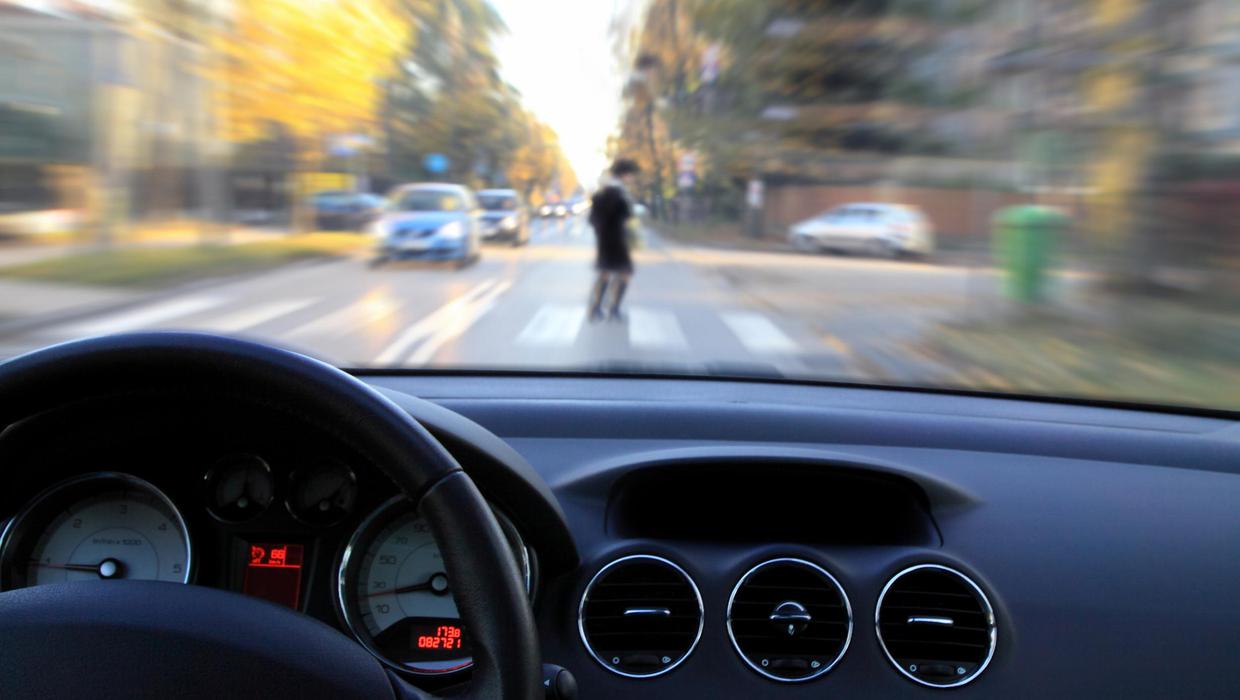
Pedestrian protection is a piece of technology that does what it says on the tin.
Usually part of an assortment of safety aids, it alerts you if it detects someone walking or running near your car.
There are also cyclist detection systems on many cars, which I find are activated quite often in urban areas.
With having these two alerts at my disposal in test cars most weeks, you would think I’d feel safer, wouldn’t you?
Well, I do, but I still worry every time I cross a cycle lane or drive between segmented footpaths.
Overview
Pedestrian protection is a piece of technology that does what it says on the tin.
Usually part of an assortment of safety aids, it alerts you if it detects someone walking or running near your car.
There are also cyclist detection systems on many cars, which I find are activated quite often in urban areas.
With having these two alerts at my disposal in test cars most weeks, you would think I’d feel safer, wouldn’t you?
Well, I do, but I still worry every time I cross a cycle lane or drive between segmented footpaths.
Even though there are safety systems in cars, I am constantly appalled at drivers who do not check for potential dangers.
It would be easy for me to blame those who put cycle and pedestrian lanes all in one criss-cross web or parallel cluster.
I often ask myself if those planning decisions are heightening the risk of someone being knocked off their feet or bicycle. Or is that just a cop-out?
Thankfully I have not witnessed anything of that nature, but I can tell you I have been frightened a few times at what I thought might have been.
I take the blame myself for not always seeing potential trouble.
But I also blame some pedestrians and cyclists who convey the impression they feel the onus is entirely on drivers to give them right of way.
This is not an attack on cyclists or pedestrians.
It is a reminder that, regardless of driver alerts and competence, there is a duty on other road users to show equal care and caution, not dash across in front of you from nowhere in a split second.
No system can cope with that.
Interior Gallery

Latest Reviews
Like what you see?

Connect With Us


Our Mobile App