Auto advice: What’s the cost of charging and servicing an electric vehicle? How much will it depreciate in value?
Published on 11 December, 2022
Are electric cars more expensive to buy than petrol and diesel cars?
Even when you factor in Government supports in the form of vehicle registration tax (VRT) relief and grants, the purchase price is often higher than comparable petrol or diesel cars. For example, an electric version of Peugeot’s 208, one of Ireland’s most affordable EVs, starts at €31,995, while a petrol version costs from €24,670 and a diesel from €30,280.
How much does it cost to charge an electric car?
Overview
Are electric cars more expensive to buy than petrol and diesel cars?
Even when you factor in Government supports in the form of vehicle registration tax (VRT) relief and grants, the purchase price is often higher than comparable petrol or diesel cars. For example, an electric version of Peugeot’s 208, one of Ireland’s most affordable EVs, starts at €31,995, while a petrol version costs from €24,670 and a diesel from €30,280.
How much does it cost to charge an electric car?
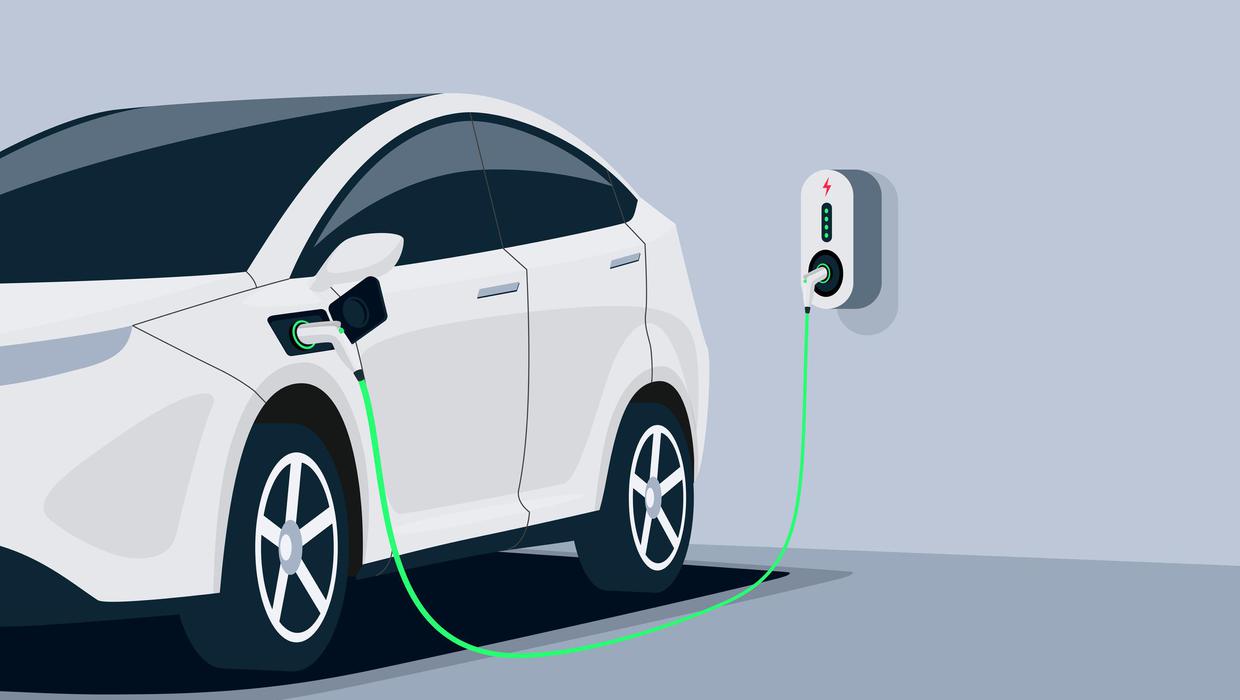
Charging your vehicle in the comfort of your own home is not only the most convenient way to charge an electric car but is also generally the cheapest. To calculate the cost of charging an EV, you multiply the battery capacity by the cost of the electricity. The Hyundai Kona has a 64kWh battery (kWh = kilowatt hour) so using for example a rate of 43.27 cents per kWh (average standard cost but will vary depending on home supplier and rate chosen), the cost to charge the car battery from 0pc to 100pc is 64kWh times 43.27c, which equals €27.69. This will give you a range of 449km. However, the price of charging will differ depending on whether you are charging at home or on the public charging network. Prices on the public network are set to increase from December 20.
Do EVs depreciate faster than petrol and diesel cars?
All cars depreciate but some cars depreciate faster than others. Generally, electric vehicles depreciate at more or less the same rate as petrol and diesel ones. Similarly, some models hold their value better than others. However, the future depreciation on petrol and diesel cars will be greatly affected by government policy in the coming years. It is likely both will become more expensive to own and run, so electric cars are likely to be more resistant to losing value as we move closer to 2030. Size also matters when it comes to residual values and smaller cars generally depreciate faster than large and medium cars so you need to factor that into any total cost of ownership calculations when buying an EV.
Top tip: Maintenance costs are lower for an EV as it has fewer moving parts so you are less likely to face expensive repair bills but it is important to note the maintenance on a plug-in hybrid model would be largely similar to that of a conventional car.
Got a question? Email [email protected]
Auto advice: When test-driving a car, here’s what to look for and what to bring with you
Interior Gallery

Latest Reviews
Like what you see?

Connect With Us


Our Mobile App